
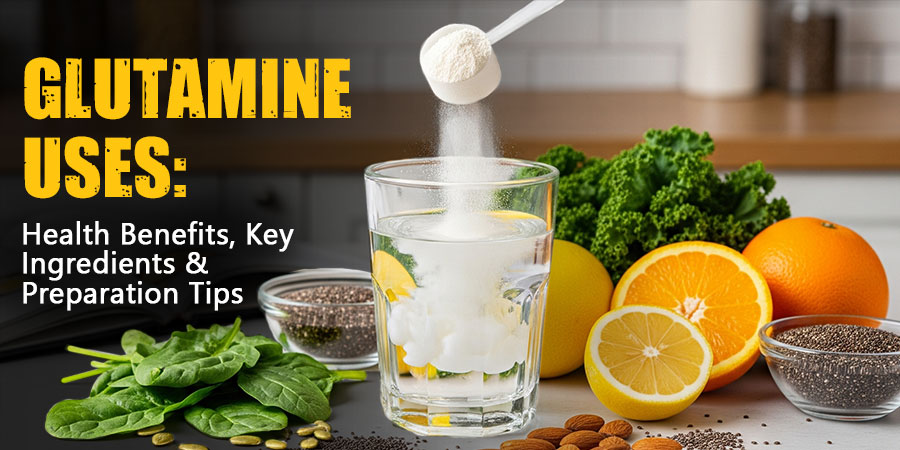
In fitness, sports, and health, glutamine is one of the most widely discussed amino acids. Found naturally in the body, glutamine is very important for functions related to muscle recovery and gut health. Also, the dietary supplement is gaining ground among athletes, bodybuilders, and just about everyone who is caring for their wellness. This blog will cover what glutamine uses are, key ingredients in the supplements, and preparation of glutamine for optimum absorption.
What Is Glutamine?
Glutamine is a conditionally essential amino acid; that is, although it can be produced in the body, during times of stress such as intense exercise, injury, or illness, the demand for glutamine may exceed the body’s production rate. Glutamine powder benefits are abundantly found in the blood and is crucial for several metabolic processes. There are two forms of glutamine:
- L-glutamine: This is the form that is naturally occurring in foods and the form used in supplements to confer health and fitness benefits.
- D-glutamine: This is another form of glutamine, less relevant to human metabolism.
L-glutamine is the most important form of glutamine for dietary supplements due to its potency and bioavailability.
The Health Benefits Of Taking Glutamine
Muscle Recovery and Reduced Muscle Soreness
One of the most popular reasons for taking glutamine is to help the recovery of muscles. After strenuous workouts, muscles need to be repaired and rebuilt from micro-tearing. Glutamine helps with soreness (DOMS – delayed onset muscle soreness), stimulates protein synthesis, and enhances recovery.
Boosts Immune Function
Glutamine serves as a fuel source for white blood cells and other immune cells. During some stressful conditions, the immune system may become weak due to illnesses or prolonged training. Supplementation with glutamine will allow for a stronger immune system, which in turn will help you stay away from infections and be healthier during those strenuous training cycles.
Supports Gut Health
The lining of your gut has cells that utilize glutamine as a primary energy source. It helps to maintain intestinal integrity, preventing leaky gut syndrome, and facilitates the growth of beneficial gut bacteria. Glutamine supplementation is usually beneficial for people who have gut problems such as irritable bowel syndrome or inflammatory bowel disease.
Improves Exercise Performance
Research suggests glutamine enhances endurance, decreases fatigue, and sustains energy supply during extended physical exercises. It plays a role in the regulation of acid-base balance during physical training and minimizes ammonia accumulation, which otherwise could hinder performance.
Helps With Weight Management
Glutamine may facilitate weight reduction and fat metabolism indirectly. It counteracts sugar cravings, preserves muscle mass as the individual goes into calorie deficits, improves insulin sensitivity, and thus aids glucose utilization.
Speeds Wound Healing
Glutamine helps with cell reproduction and tissue repair and thus hastens the healing of wounds, burns, and post-surgical recovery. It is often supported in hospitals for trauma patients by glutamine supplementation to help in recovery.
Detox Support
Glutamine helps detoxify ammonia by acting as a carrier to escort the ammonia safely out of the body. This action particularly favors the athletes who generate excess ammonia during high-intensity workouts.
Key Ingredients in Glutamine Supplements
While pure L-glutamine is commonly found in many supplements, some products may combine glutamine with additional compounds to increase its effectiveness. Here are a few ingredients that you might find:
L-Glutamine (Primary Ingredient)
The pure form of glutamine that comes in powder or capsule form; it is well absorbed and efficacious.
BCAAs (Branched Chain Amino Acids)
In some glutamine products, leucine, isoleucine, and valine are found; these amino acids work together with glutamine to enhance muscle recovery and inhibit breakdown, which helps endurance.
Electrolytes (Sodium, Potassium, Magnesium)
Glutamine products may contain electrolytes to prevent dehydration; this is especially relevant in long or hard workouts.
Vitamins B6 or B12
They enhance the absorption and metabolism of amino acids while providing some benefits in energy boosting.
Digestive Enzymes
Some products may contain digestive enzymes that may include papain or bromelain, thereby promoting digestion and guaranteeing better delivery of nutrients.
Natural Food Sources of Glutamine
While supplementation is an easy option, several foods are naturally rich in glutamine:
- Beef, chicken, pork
- Eggs
- Milk and dairy products (cheese, yogurt)
- Fish
- Tofu and soy products
- Spinach, cabbage, beets
- Beans and lentils
However, it is quite difficult for one to eat the therapeutic doses (5–10g/day) via food alone; hence, supplements often become the more preferred means to achieve specific health goals.
Preparation Tips: How to Use Glutamine Effectively
Dosage Recommendations
- General health and gut support: 5g per day
- Athletic performance and recovery: 5–10g per day, split into two doses
- Medical use or severe trauma: 10–30g per day (under medical supervision)
Best Time to Take Glutamine
- Post-workout: To assist recovery and reduce muscle soreness.
- Before bed: It helps with recovery and muscle repair overnight.
- On an empty stomach: Enhances absorption and also provides gut health support.
- With meals (for digestive support): It is especially useful for gut issues.
Preparation
- Powder: Mix glutamine powder with water, juice, or a protein shake. It dissolves easily and is tasteless.
- Capsules: Swallow with some water, according to dosage recommendations.
- Pro tip: Avoid using hot liquid, as glutamine degrades in hot liquid. Always mix it in cold or room-temperature liquid.
Staking Glutamine with Other Substances
For further benefits, glutamine may be stacked with:
- Whey protein: Muscle building and recovery
- Creatine: Performance and strength improvement
- BCAAs: Endurance and muscle preservation
- Pre-workouts: Many include glutamine for added recovery assistance
Possible Side Effects and Precautions
Glutamine is generally safe when taken in recommended doses. However, excessive intake may cause:
- Upset stomach or bloating
- Headache or dizziness (rare)
- Allergic reactions (extremely rare)
Avoid high doses (above 30g/day) unless prescribed. Pregnant or breastfeeding women and people with liver or kidney disease should consult a doctor before use.
Final Thoughts
Glutamine is more than just a muscle recovery supplement. From boosting immune health to supporting gut integrity and improving exercise performance, its versatile benefits make it a staple in many wellness routines.
Whether you’re an athlete, a fitness enthusiast, or simply someone seeking better health, incorporating glutamine-rich foods or supplements can significantly enhance your quality of life. By following the right preparation tips, using quality supplements, and taking the correct dosage, you can safely reap the full benefits of this powerful amino acid.