
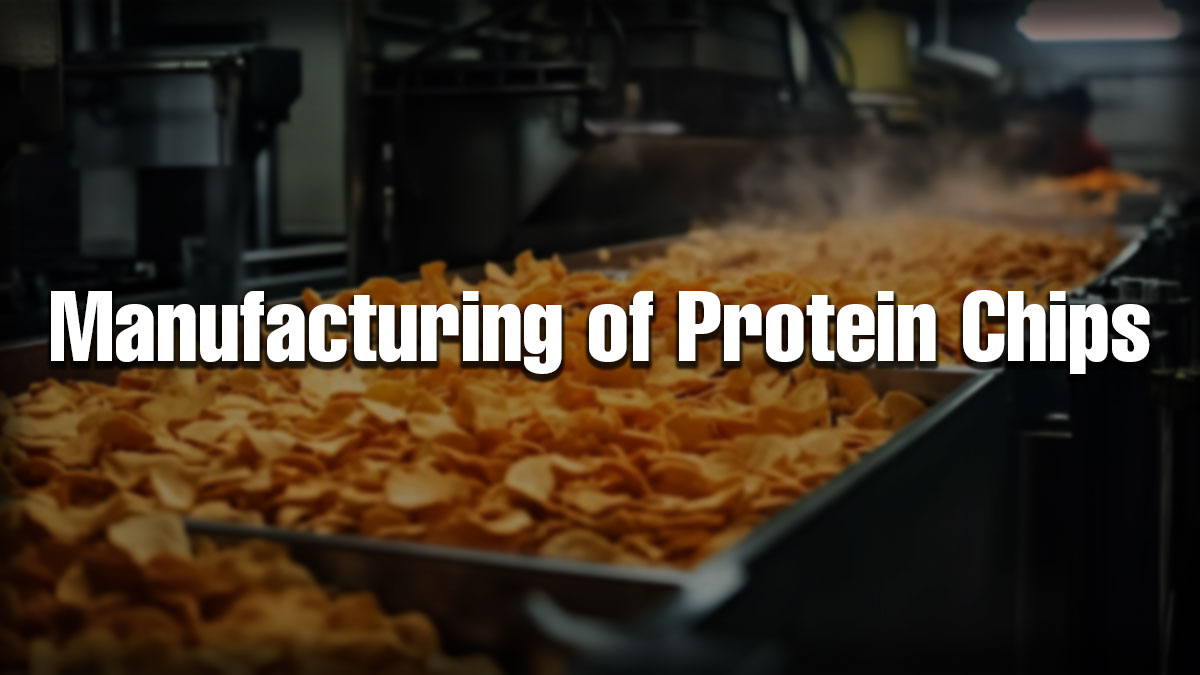
Novel efficient and delicious snacks are changing the face of the snack food industry. The rise in demand for snacks worldwide has cut a niche for protein chips within that range as tasty sources of healthy consumption. But how do manufacturers produce these little snacks? This blog goes into elaborate details on the manufacturing processes involved in the making of protein chips; right from sourcing all the way through to packaging. Whether you are a health freak, entrepreneur, or food technologist, it has everything you need to know about it.
What are Protein Chips
Protein chips enrich snack products with high-quality protein sources such as whey, soy, or plant-based proteins. They provide better nutrition, satiety, and support for fitness and weight maintenance goals, outperforming traditional potato chips loaded with trans fats. Usually, each serving contributes 15 to 20 grams of proteins, is mostly gluten-free, and contains very low carbohydrates. Some manufacturers also bake them instead of frying, making the chips healthier. They have also become a popular snack for health-conscious consumers on the go.
Trending Reasons for Protein Chips
One of the most important reasons is the fitness and health awareness among people in search of high-protein, low-fat snacks among the fitness group.
Weight management: Compared to the hunger-appeasing properties associated with most crisps, high-protein content makes chips satisfying and supportive in weight management.
Keto and low-carb diet: Protein chips fit perfectly with a ketogenic diet and low-carbohydrate diets that are very much on the rise.
Convenience: Today, ready-to-eat, portable snacks are something very important to manage fast-paced lifestyles.
Clean-label demand: Consumers are mostly attracted to snacking items that contain simple, identifiable ingredients with no artificial additives.
Major Constituents of Protein Chips
The success of protein chips lies in the quality and blend of ingredients. These typically include:
Protein source: Whey protein isolate, soy protein concentrate, pea protein, brown rice protein, etc.
Starch or flour base: Lentil flour, chickpea flour, sweet potato starch, or tapioca starch for binding.
Fiber: Soluble fiber, inulin, or psyllium husk to increase satiety and digestive benefits.
Seasonings: Natural flavors, herbs, spices, and salt for taste enhancement.
Healthy fats: Sunflower oil, avocado oil, or coconut oil for texture and flavor.
Leavening agents: Baking soda or baking powder to help with puffiness and crisp texture.
Types of Proteins Used in Manufacturing
The choice of protein source determines the taste, texture, digestibility, and nutritional profile. Here are the proteins manufacturers most commonly use in production:
a. Whey Protein Isolate
From milk during cheese production.
High biological value; rapid digestion.
Good for snacks after workouts.
b. Soy Protein Isolate
Plant-based and cheap.
Complete protein with all essential amino acids.
Suitable for a vegetarian diet.
c. Pea Protein
The allergen-safe, non-GMO source with a high digestibility rate.
Commonly used in vegan and clean-label formulations.
d. Brown rice protein
Gluten-free, hypoallergenic.
Usually paired with pea protein for complete amino acid profile.
e. Collagen protein
Animal bones and tissues.
It helps in health related to joints, skin, or muscles.
The Manufacturing Process: Step by Step
Now, let’s explore how manufacturers produce protein chips in a modern commercial facility.
Step 1: Sourcing raw materials and testing them
Raw materials sourced from trusted suppliers
Quality testing ensures the purity, safety, and nutritional content of the protein chips.
Step 2: Blending-and-Dough Formulation
Weighting, blending proteins, flours, starches, and seasonings for blending in industrial mixers
Manufacturers prepare a homogeneous dough by mixing water and oil.
Dough consistency is critical in texture and mouthfeel.
Step 3: Extrusion
Manufacturers pass the dough through an extruder machine.
Manufacturers cook and shape the dough into chips under high pressure and high temperature.
This allows the size, thickness, and texture to be controlled with precision.
Step 4: Shaping and Cutting
Manufacturers use rotary cutters or dies to cut the extruded material into desired shapes, such as triangle, round, or square chips.
Shapes have a visual appeal and influence crispiness.
Step 5: Baking or Frying
Usually chips are baked in industrial ovens, which gives a low-fat and crispy finish.
Alternative approaches include air frying or light oil frying, which provide the chips with specific flavor profiles.
Temperature and time are controlled for uniform cooking.
Flavor Coating
Once cooled, chips are transferred to tumbling drums for flavor application.
Natural seasonings, herbs, spices, and nutritional boosters (eg. B12, calcium) are sprayed onto the chips.
Even coating ensures that every bite has the same flavor.
Quality Control
Chips go through quality checks for texture, taste, and protein content, as well as microbiological quality.
Batches are tested for moisture content, shelf-life, and packaging seal integrity.
Packing
Chips are filled into automated filling machines in nitrogen-flushed bags to avoid oxidation.
Vacuum sealing or modified atmosphere packaging (MAP) enhances the shelf life of products.
Appealing and informative labels are applied to them, showcasing the nutrition facts, certifications, and branding.
The Future Horizons: Emerging Trends of Proteins in the Snack Manufacturing Process
It is all about technological innovation in protein chips:
Chips from plant sources, such as mung bean, hemp, or even algae proteins.
Functional chips enriched with probiotics, adaptogens, or omega-3.
Personalized chips for specific requirements like weight management, energy, or muscle gain.
Optimization of taste, texture, and costs through Artificial Intelligence production.
Sustainable packaging in biodegradable or, maybe, edible films.
Still, a continuous R&D push will lead protein chips to be integrated with mainstream, health-oriented diets around the globe.
Conclusion
The whole process of protein chip manufacturing is interesting and combines science, nutrition, and innovation. Each type of high-quality protein selection leads to crunch perfection with an accompanying flavor, so every part is important in that process. As healthier alternatives for snacking stand up in front of consumers, protein chips attract them quite easily because they are nutritious yet filling and highly convenient options. Learning how to manufacture the protein chips would help producers meet the ever-increasing demand by producing safe, high-quality, flavorful, and delicious products. You could be a consumer curious about your favorite snack, or perhaps you are a business looking to get into the protein chip market; this guide is the solid foundation towards your journey ahead.
The whole process of protein chip manufacturing is interesting and combines science, nutrition, and innovation. Each type of high-quality protein selection leads to crunch perfection with an accompanying flavor, so every part is important in that process. As healthier alternatives for snacking stand up in front of consumers, protein chips attract them quite easily because they are nutritious yet filling and highly convenient options. Learning how to manufacture the protein chips would help producers meet the ever-increasing demand by producing safe, high-quality, flavorful, and delicious products. You could be a consumer curious about your favorite snack, or perhaps you are a business looking to get into the protein chip market; this guide is the solid foundation towards your journey ahead.